MORGELLONS CDB HEXAGONS: A DEFINITION
The Neo Hypothesis-Perspective

Hexagon growing in blood sample below
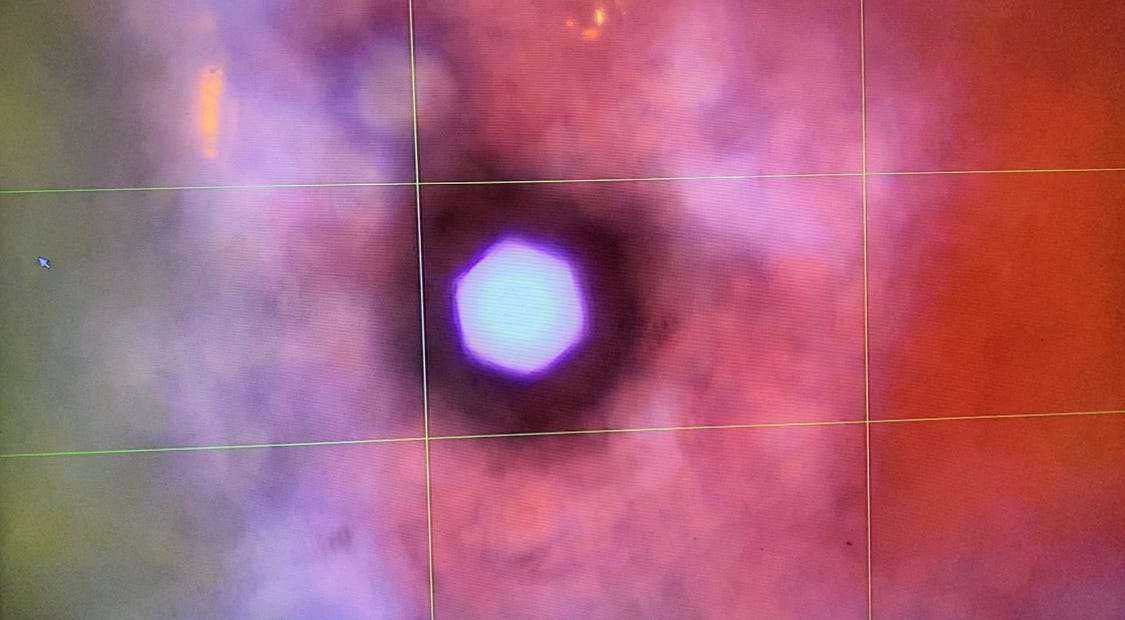
This post is looking at hexagons found in the environment inside, outside dust samples and growing in human skin and blood down to 2 microns and up to 4-6 mm in the environment.
The post goes into academic papers demonstrating these hexagons are biosignatures of magnetotactic hyper-thermophilic archaea and bacteria.
It’s a hexagonal lattice constant that goes down to the sub-unit architectural S-layer proteins or bactofilins.
The hexagons have been demonstrated forming at the micron level in liquid cultures of the CDB I have done in past posts.
They been found worldwide in outdoor dust samples and in humans.
Other SS members have sent me pictures of the hexagons growing in their skin. Thank you
Shortly after this, I found some of the hexagons behind my couch forming in undisturbed areas. I rarely sit in that room, but it’s where they seem to form. Only behind the couch butted up to the wall.
When I put the hexagons on a slide and observed them on high magnifications. It was clear that it was microbes forming a lattice constant. These microbes are referred to as active matter(AM) . These AM microbes run assembly lattice constants that form the hexagons over time. The hexagons are engineered living materials(ELM).
The surface plasmon resonance is highly exotic as demonstrated in videos.
These ELMs likely have functionality. We will look at academic papers on plausible functions.
The hexagons are made from the highly genetically engineered CDB microbe with biosignatures of multiple genes of interest(GOI) in archaea and bacteria.
I have detailed the most plausible fundamental architectural forces that construct these hexagons. No one has ever done this. I didn’t get too technical as it would be too voluminous to go over and comprehend.
To get through this post. Click on each cited paper for further insight.
Good luck….it’s a deep rabbit hole.
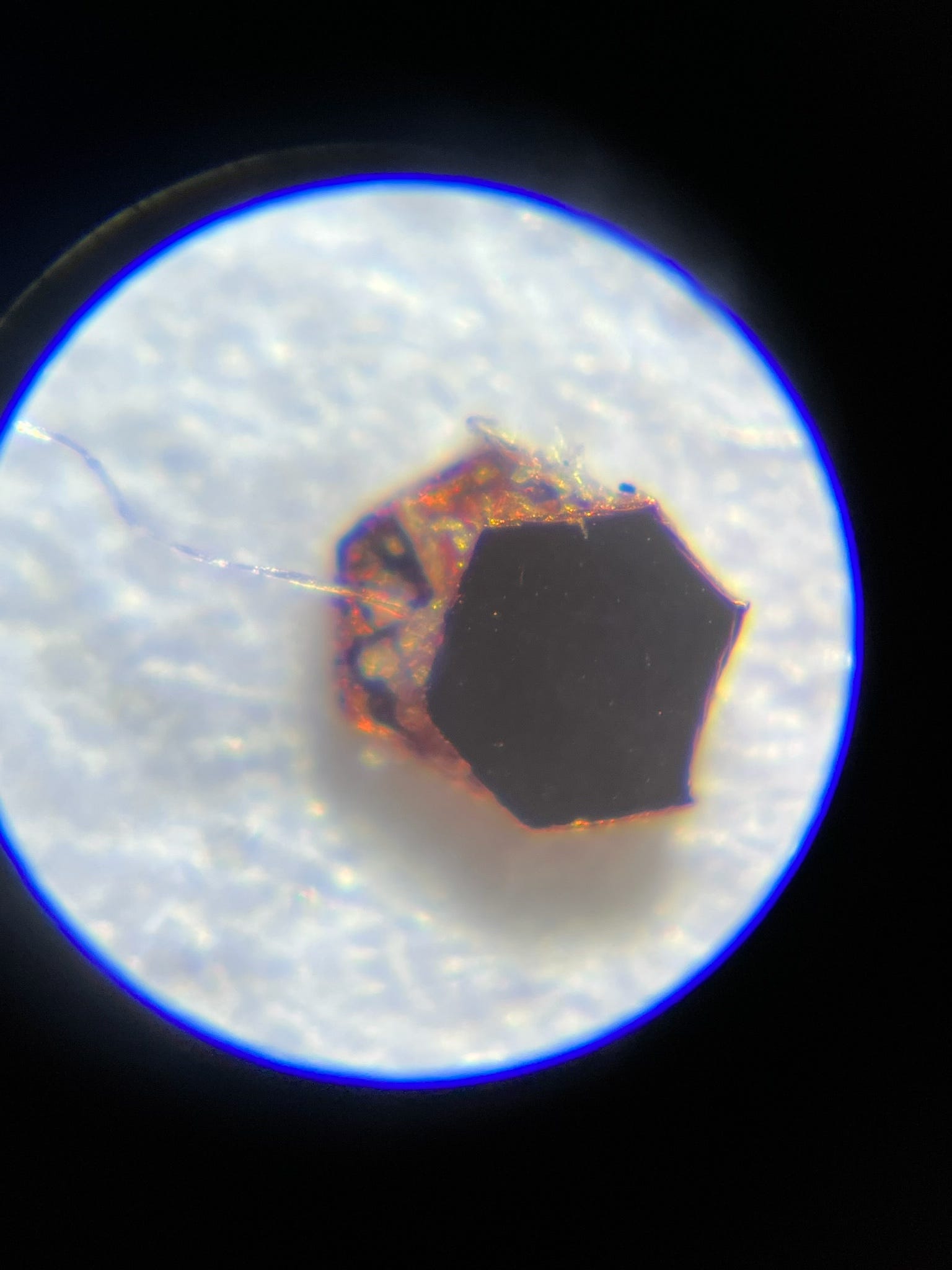
Skin grown hexagon above. The same CDB microbe that makes the fibers also makes the hexagons.
EVERYONE has this microbe in them. Most have no outward symptoms. Some do. This could be a tertiary stage of the microbes progression known as Morgellons. This could have something to do with HGT horizontal gene transfer mechanisms. I have read papers where all Morgellons patients had agrobacterium in there samples. This is a known and heavily used gene transfer agent as well. The Morgellons patients in this paper all had Lyme and Lyme co-infections. It is highly likely that a HGT mechanism involved?
I have no skin lesions or hexagons in my skin, but I do have the CDB microbes.
It’s ubiquitous!
Matt J had 1500 people in one weekend convene for testing for microfibers.
100% of them had the microfibers on skin and in blood. This has been my observations as well.
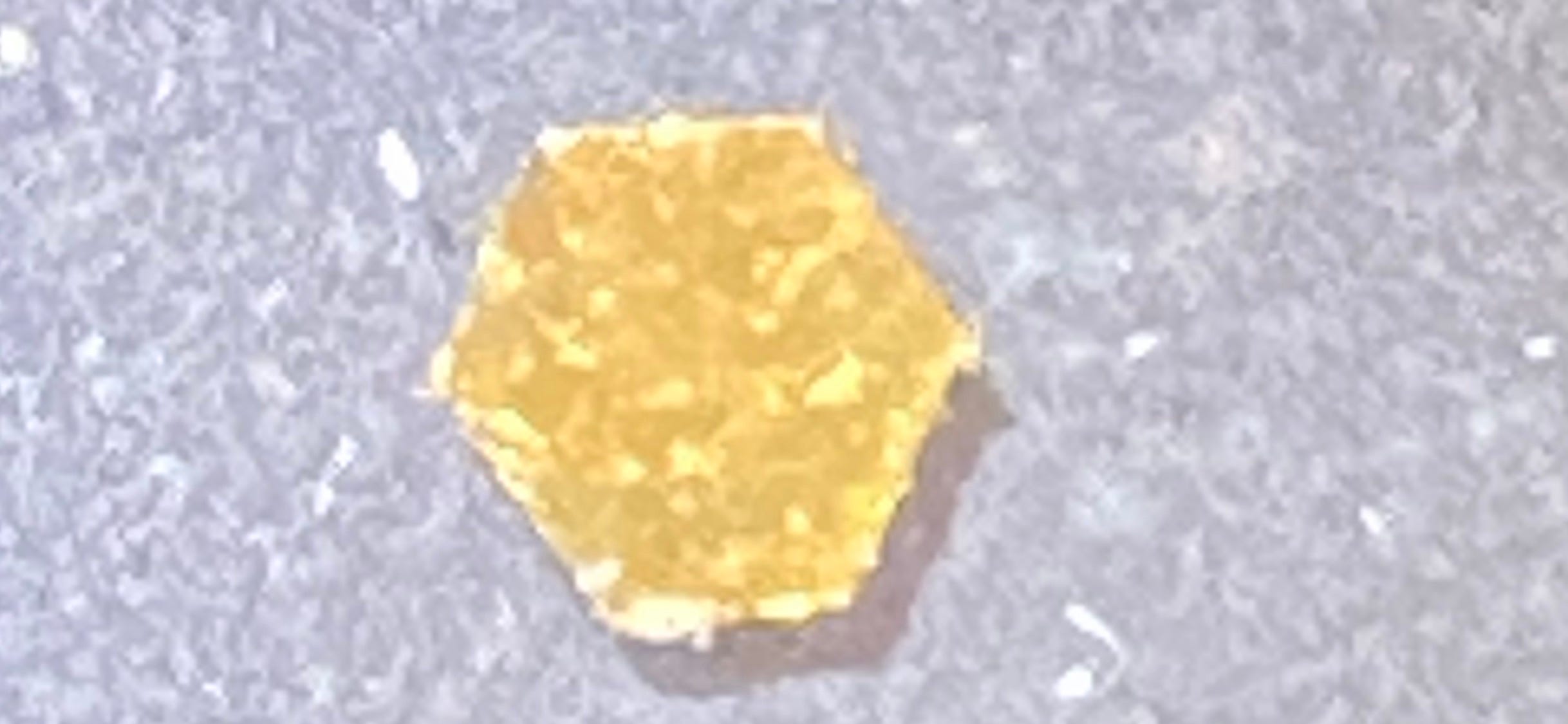
Skin grown hexagon

skin grown hexagon
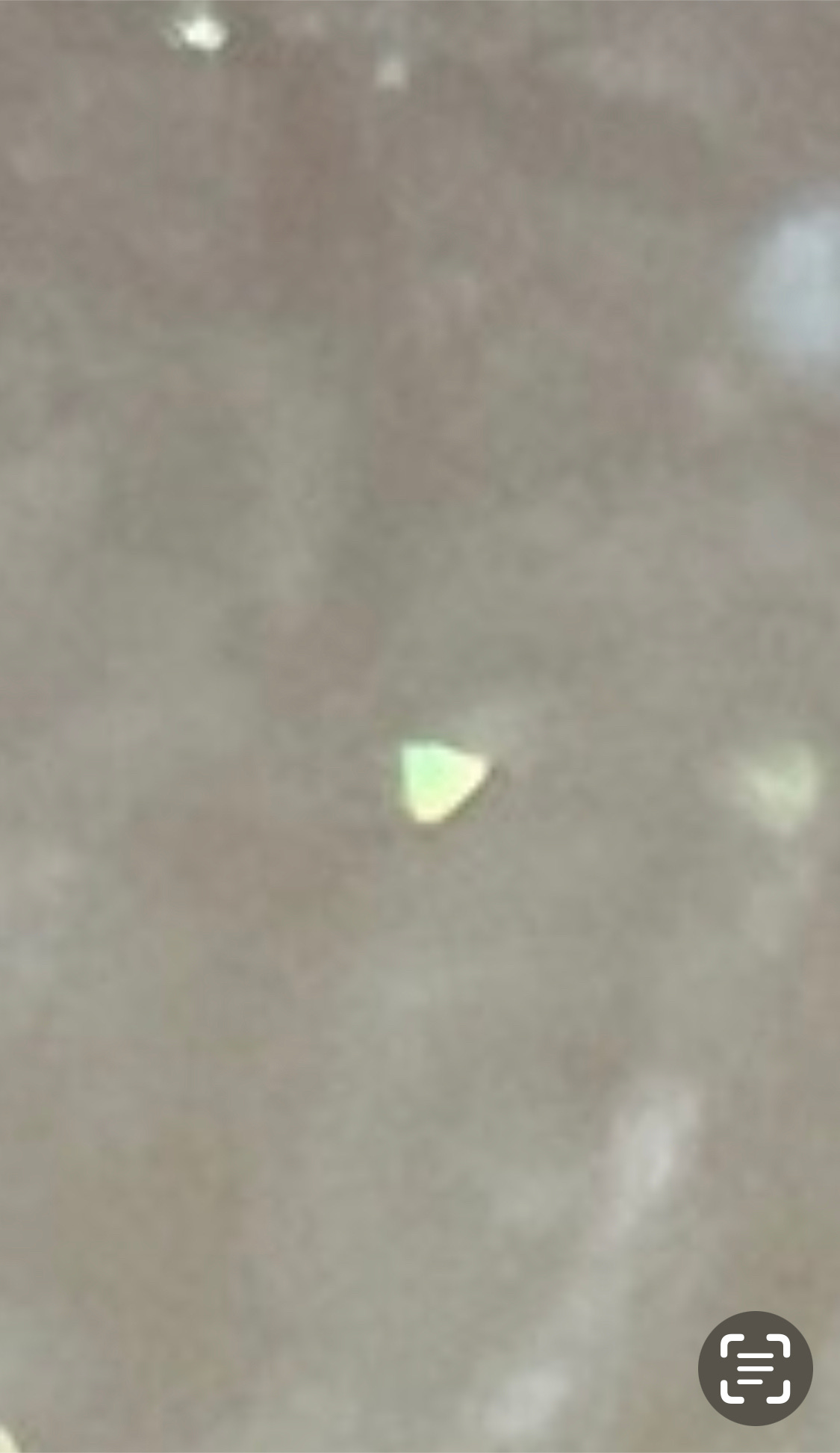
Triangle growing in skin polymeric biofilm
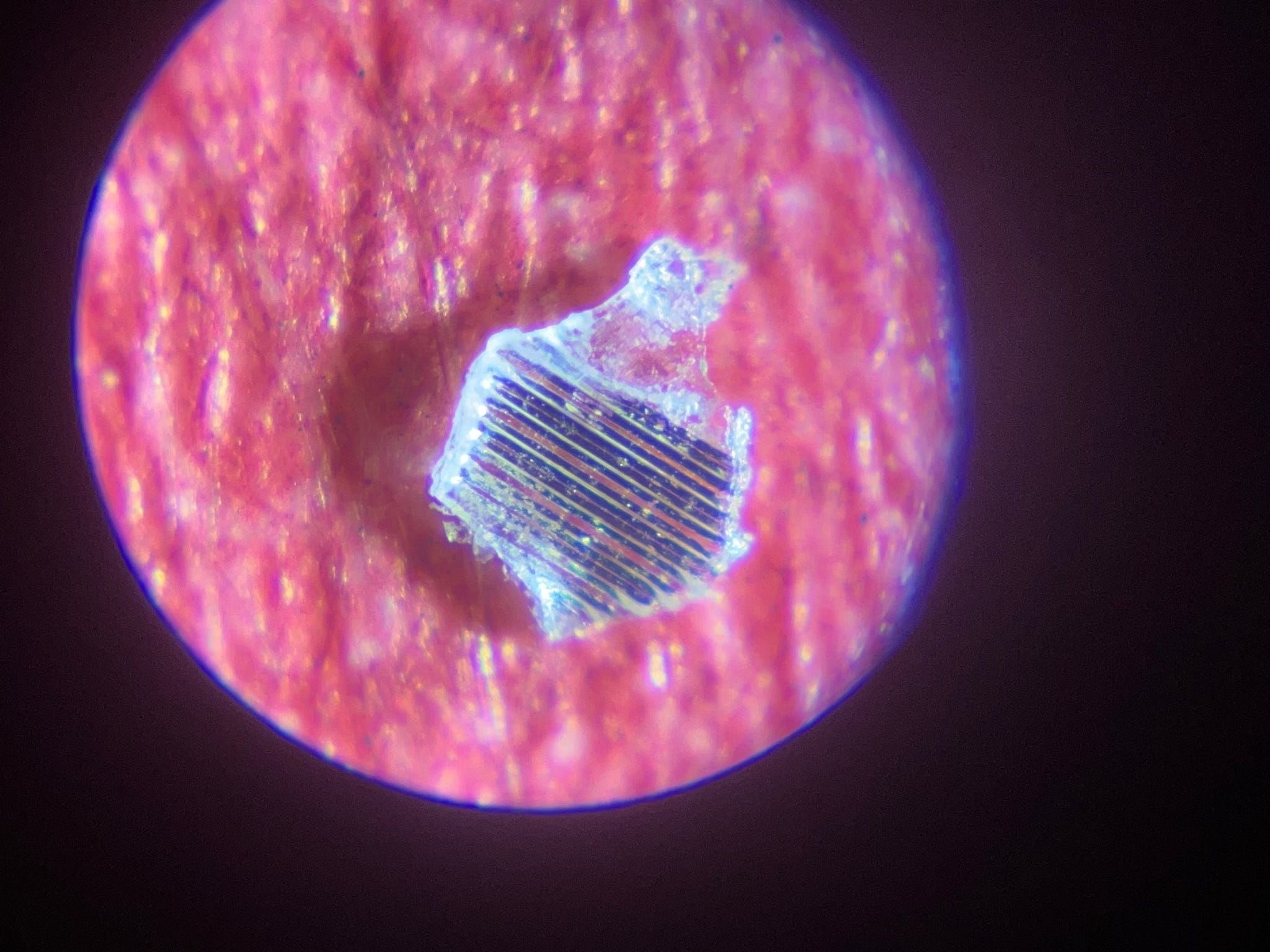
skin grown above. I demonstrate the Strait lines actively being formed by the microbes in video further below.
The clear Hexagon below appears to be only the biopolymer with little to no minerals in the polymer base.
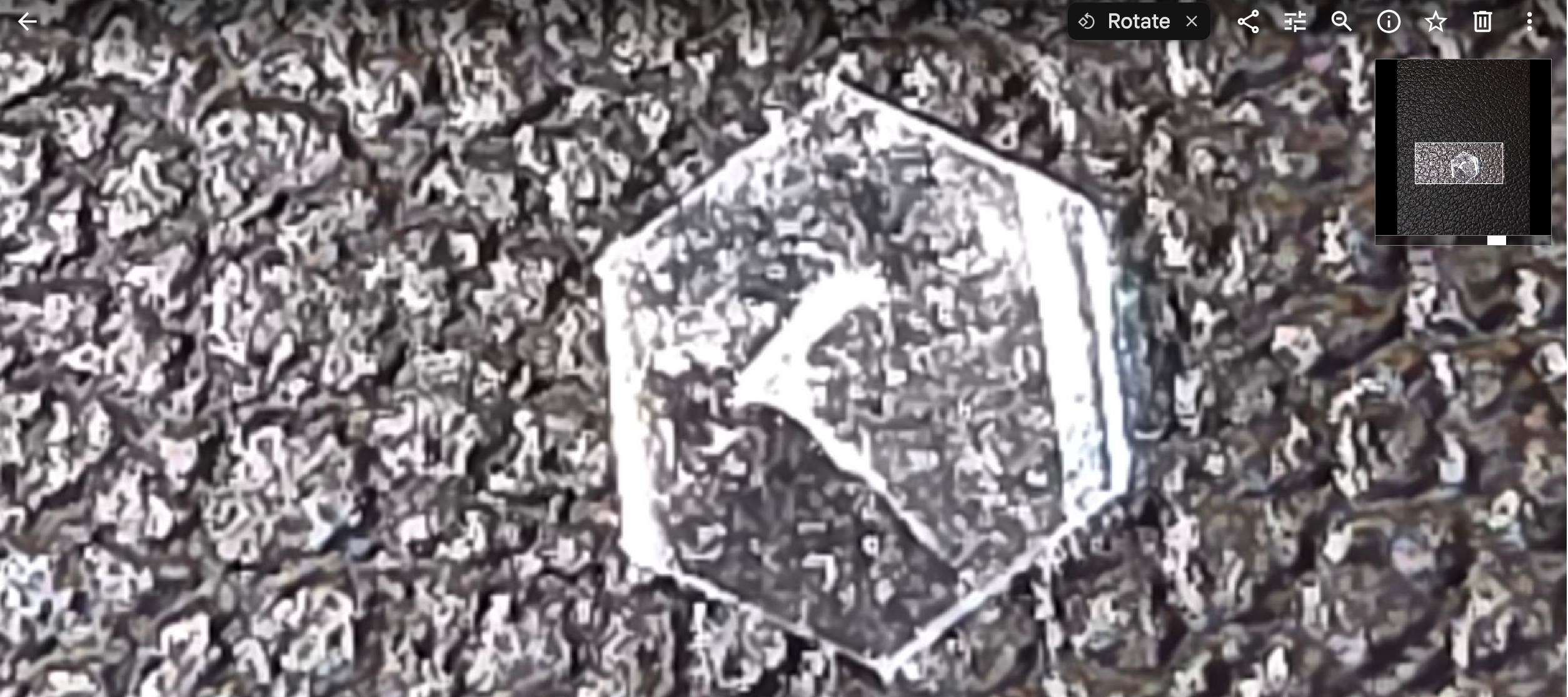
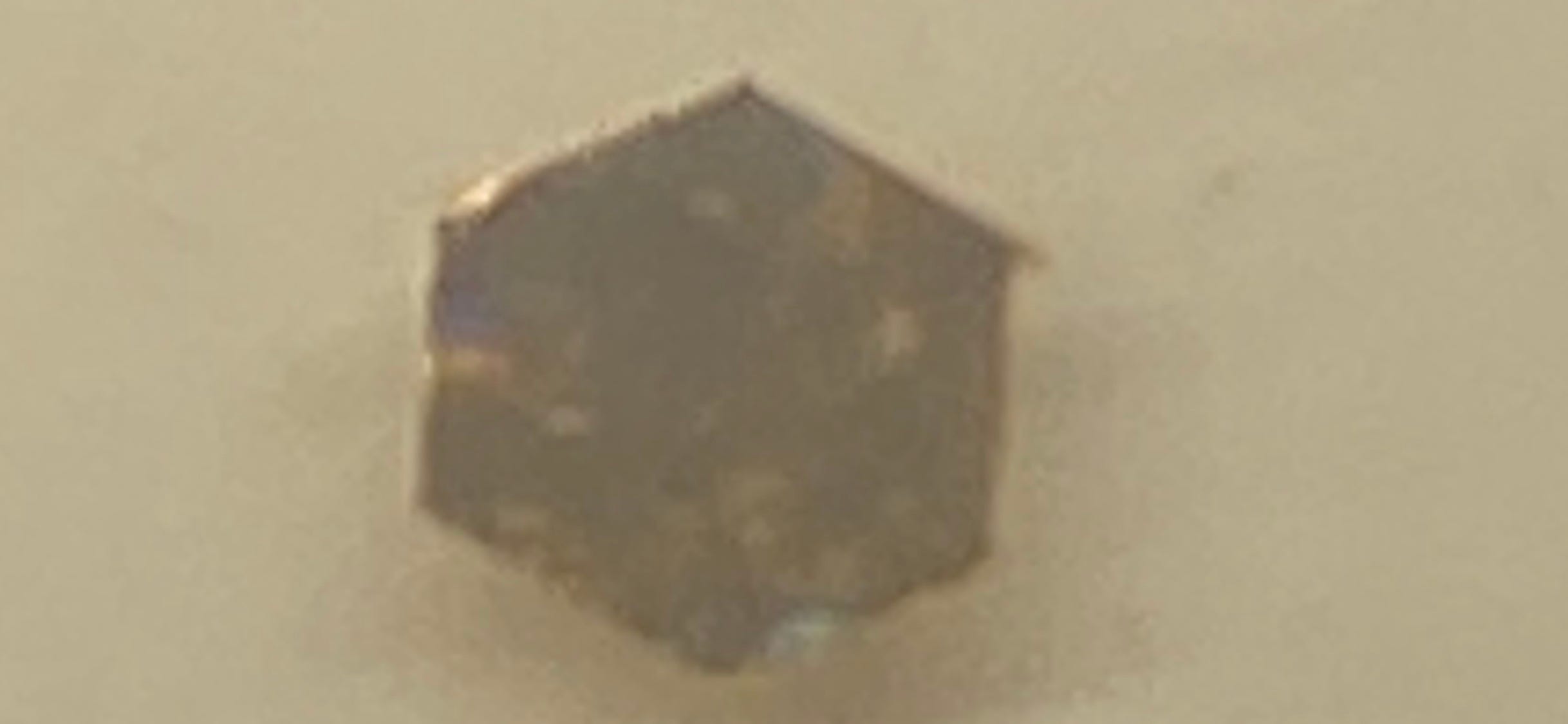
environmental hexagon above
2-4 micron CDB Mesoscale Hexagon growing after breaking CDB sample down in sodium hydroxide. The hexagon is near the size of a RBC in this micrograph.
microbial lattices forming hexagons with encasing filaments around the outer edges of the hexagon. Notice linear BACTERIAL STREAMING in linear patterns.
Apple Green Autofluorescence is from the bacterial amyloids
This demonstrates the van der Waal forces of BACTERIAL STREAMING of EPS extracellular polymeric substances forming the linear polymeric structural lattices of the ELM hexagon.
Hexagons found in dust behind couch butted up to the wall
All environmental engineered living metamaterial hexagons found behind couch
GM Bacterial (ELM) Engineered Living MetaMaterials For sensing applications…………..Synthetic Biology
Notice the highly EXOTIC hyperspectral surface plasmon resonance(SPR)
GM Magnetotactic BACTERIAL BASED Plasmonic-photonic SPR BioSensors?
(RIS) Reconfigurable intelligent surfaces?
(SIS) Stacked Intelligent Surfaces?
The hexagonal meta materials exhibit negative refractive index behavior under specific conditions/light frequencies.
Search above terms for definitions.
I find these behind the couch every time I sweep behind the furniture.
The hexagons are known to be found in environmental samples and skin samples.
I don’t have these coming out of my skin so they are obviously morphing/assembling in the undisturbed environments.
The photonic hexagons are 0.5-3mm and would never be noticed unless your looking very closely.
I’ve clearly demonstrated the microbial assembly in past posts on ELM hexagons especially down to the genesis Hexagons forming at 2-3 microns.
It was hard to except this wasn’t party glitter and that it is synthetic biology producing these ELM hexagons.
Chip structure in my blood sample found immediately after placing blood sample on the slide.
The chip assembly is not a supramolecular assembly like the fibers and hexagons.
It appears more like colloidal photo-lithography assembly or some type of lithography. Possibly from active colloids.
Hexagons growing in Lidocaine dental anesthetic. Notice encasing filaments around the hexagon.
Yes. That is the injectable lidocaine your dentists load you with
2-4 micron Mesoscale Hexagon grown in liquid NaOH culture of CDB sample in a test tube.
They grew in highly caustic sodium hydroxide. Highly indicative of an Extremophile like the Hyperthermophilic magnetosome producing magnetotactic archaea and bacteria cited in these papers
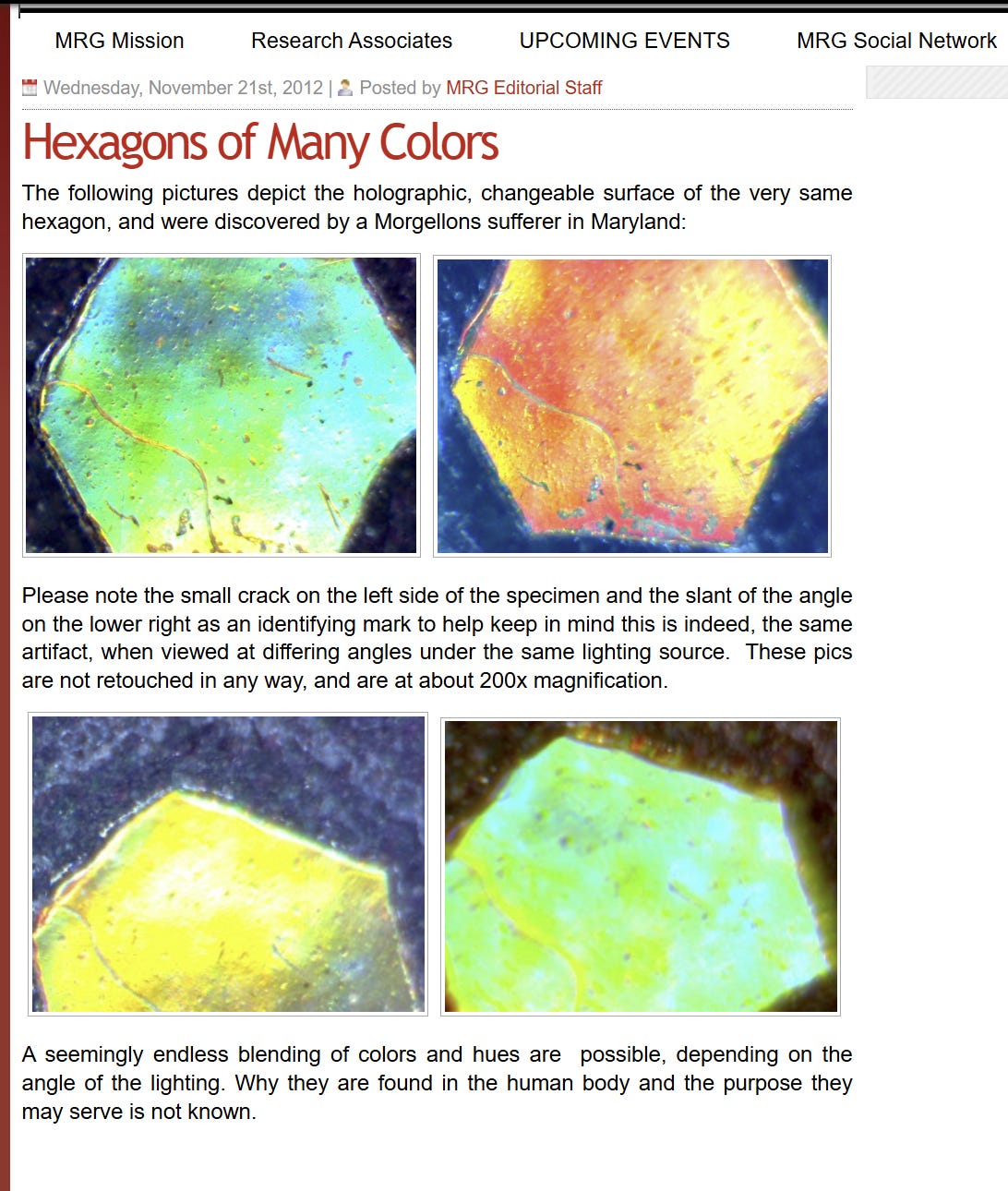
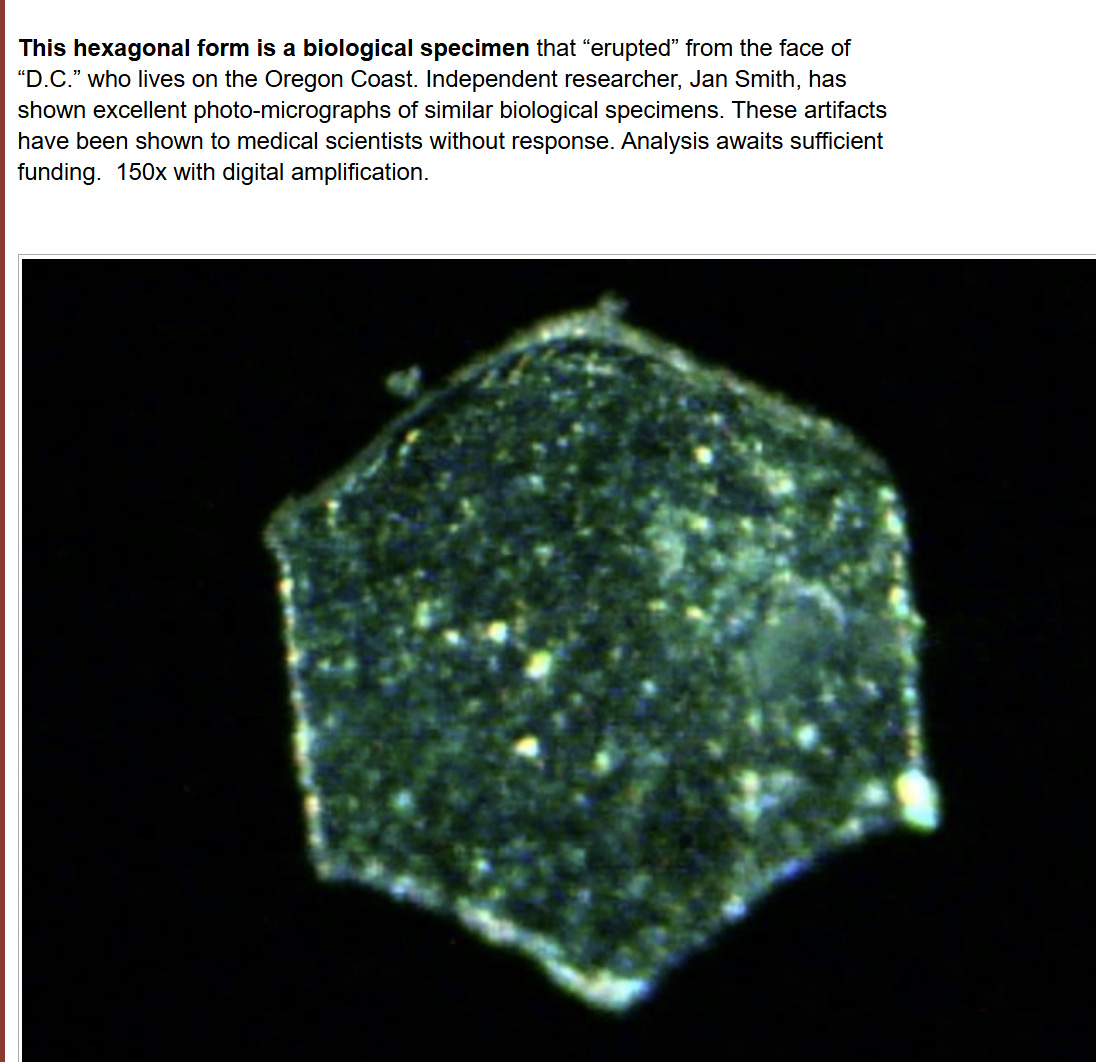
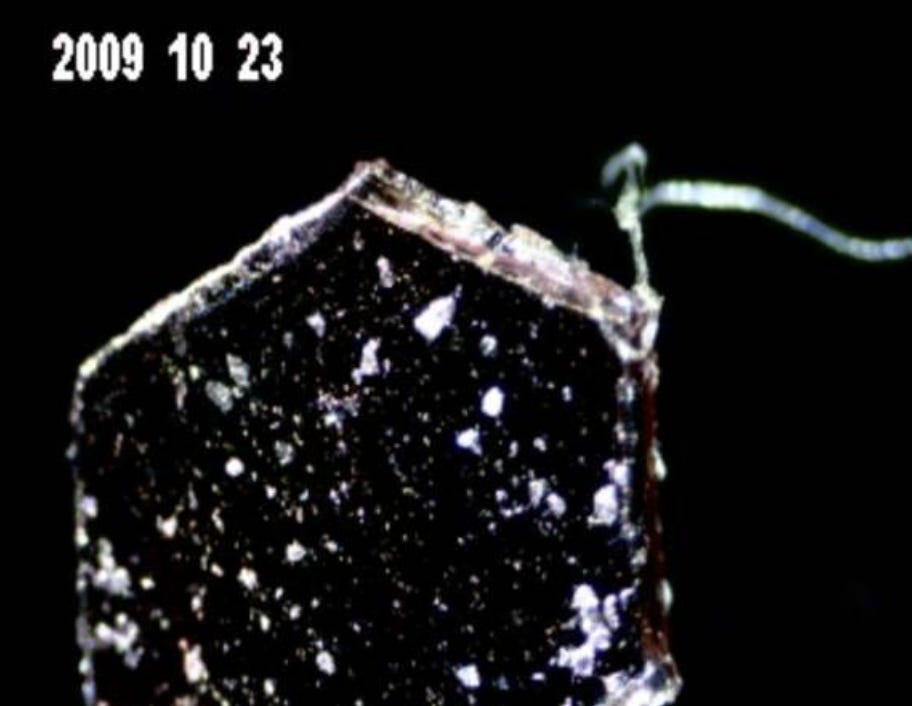
https://web.archive.org/web/20120828125336/http://morgellonsresearchgroup.com/morgellons-hexagonal-artifacts-volume-2
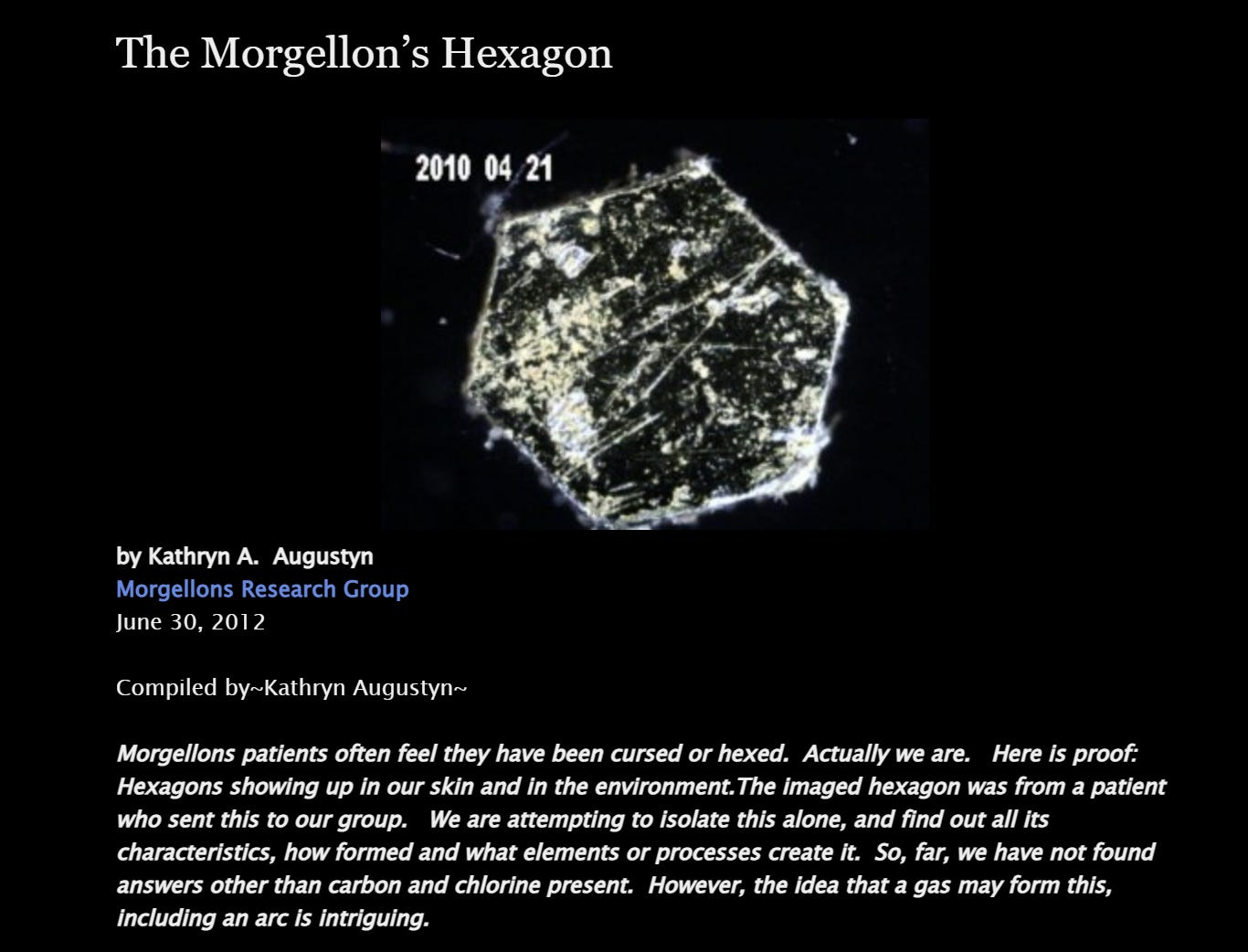
2010 hexagon find. Morgellons Research Group positing that a gas formed these hexagon. “Hexagons were Raman tested at SUNY at Stony Brook. The material of the hexagons and the glue-like material that held them together were not in the Raman database and are still unidentified material.”
It is most plausible that archaea and bacteria are responsible for this unique hexagonal mystery via the hexagonal biosignatures cited here that clearly occur in archaea and bacteria
.
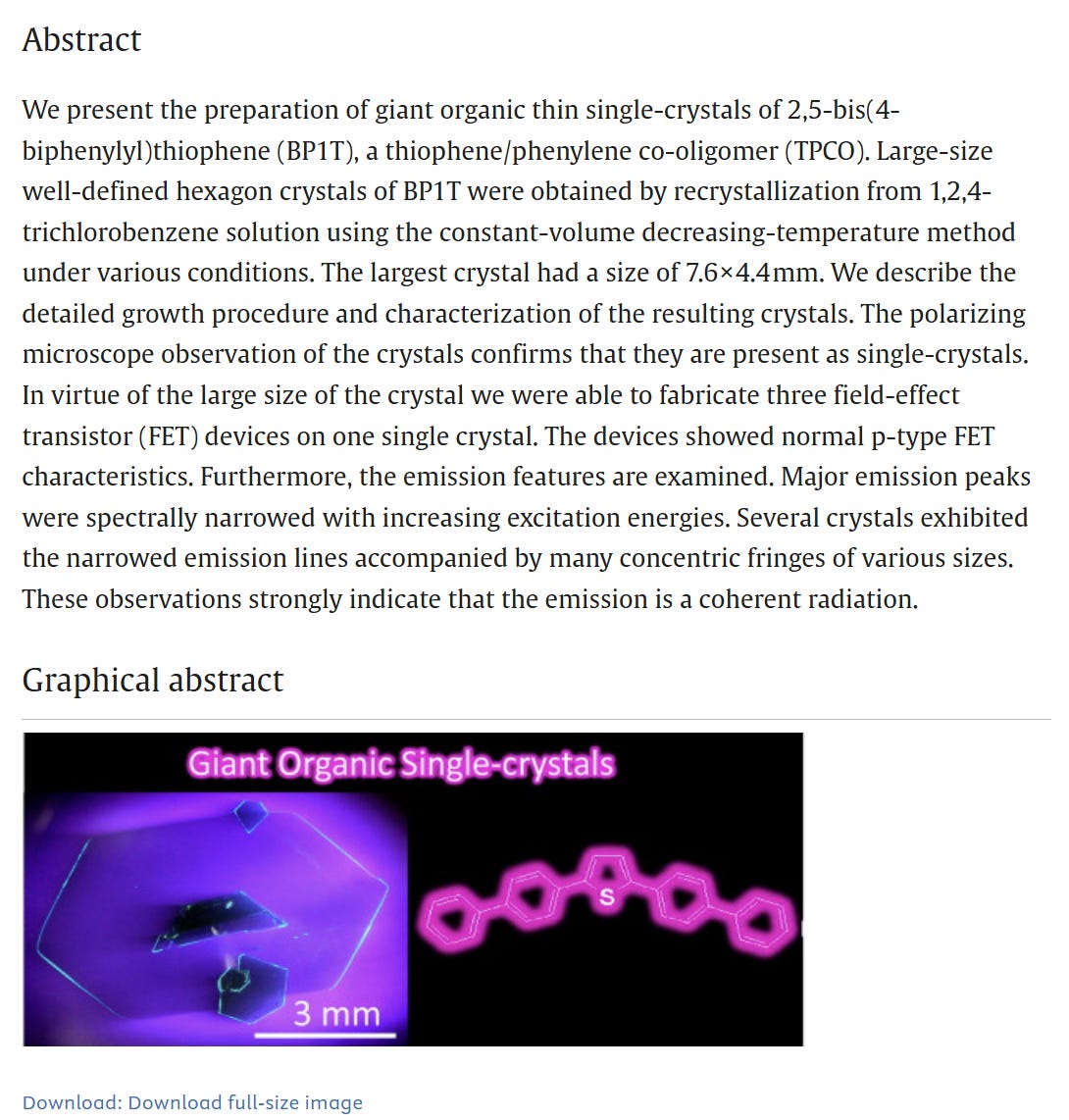
“The crystals show spectrally narrowed emission lines at higher excitation energies.”
Hexagonal FETs
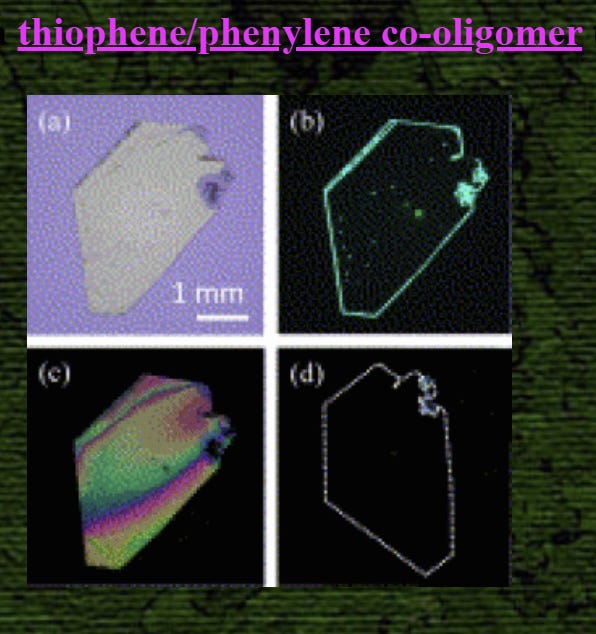
FET Field effect transistors that are similar in size to skin and environmental hexagons
Skin grown hexagon in note above. Eye floater……
Blood Hexagons found in Guatemala in above link.
I found the same hexagons after culturing a CDB sample in NaOH.
The Mesoscale hexagons in below note were 2-4 microns. Smaller than a red blood cell.
Look how small this 2-4micron hexagon is.
PHOTONIC HEXAGONS
including the potential to create hexagonal and other conformal photonic interface designs
DARPA is advancing photonic technologies through several programs that involve hexagonal and other non-traditional shapes in integrated photonic systems. The Heterogeneous Adaptively Produced Photonic Interfaces (HAPPI) program aims to revolutionize information transmission within microsystems by developing three-dimensional optical routing capabilities, including the potential to create hexagonal and other conformal photonic interface designs. This program focuses on improving out-of-plane waveguiding, mode conversion, and robust chip-to-chip connections, enabling high-density photonic links that can be adapted to various geometries, including hexagons.
Additionally, the Intensity-Squeezed Photonic Integration for Revolution Detectors (INSPIRED) program, which includes a $10 million grant to a team led by UC Santa Barbara, is developing compact integrated photonic chips that generate squeezed light to enhance detection sensitivity. These chips are designed to be small—about the size of a credit card—and can be fabricated using silicon nitride and III-V semiconductor materials, allowing for flexible, scalable designs that may include hexagonal or other non-cylindrical forms. RTX’s BBN Technologies has been selected by DARPA to supply a prototype photonic chip for the INSPIRED program, further advancing the development of these compact, high-performance systems.
Bac
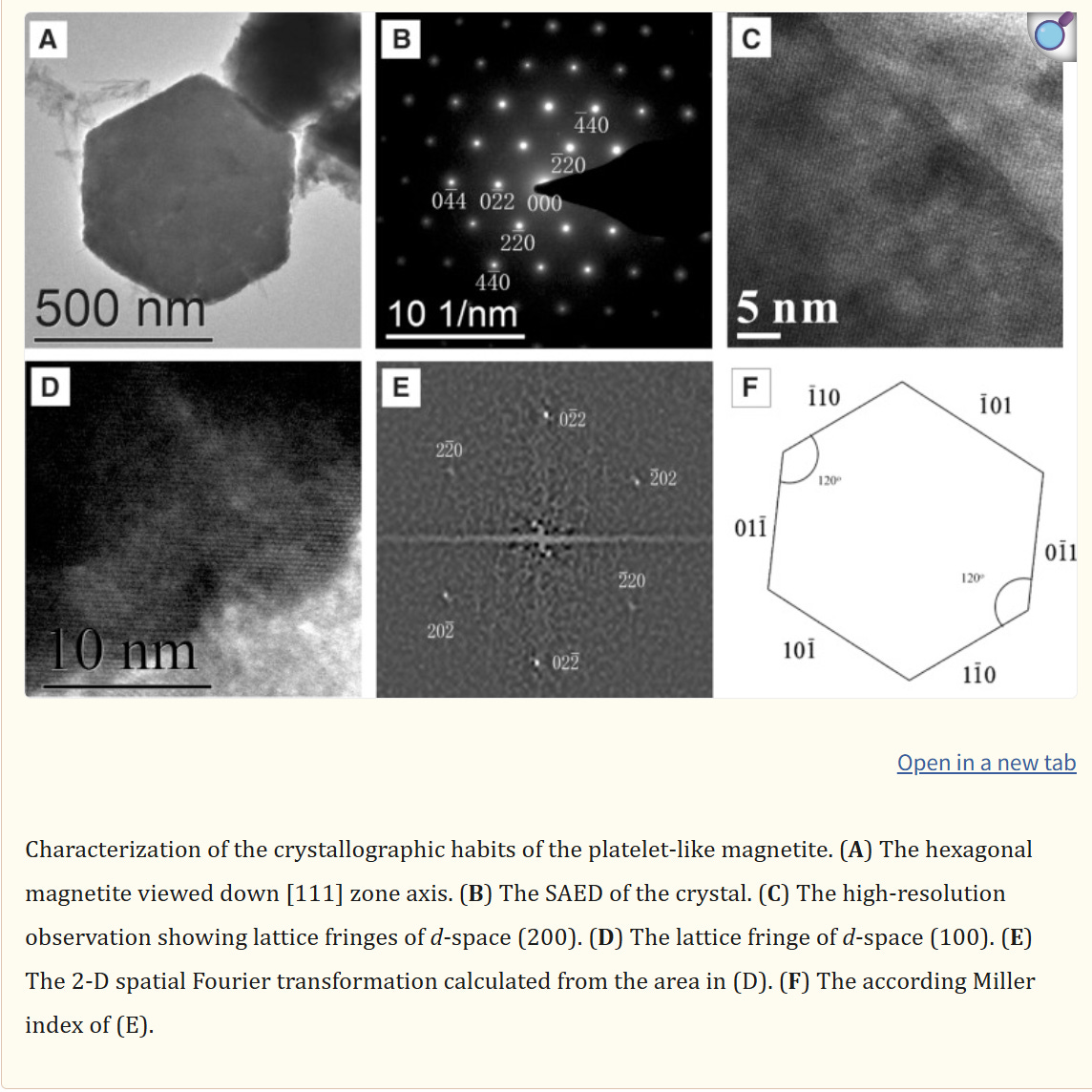
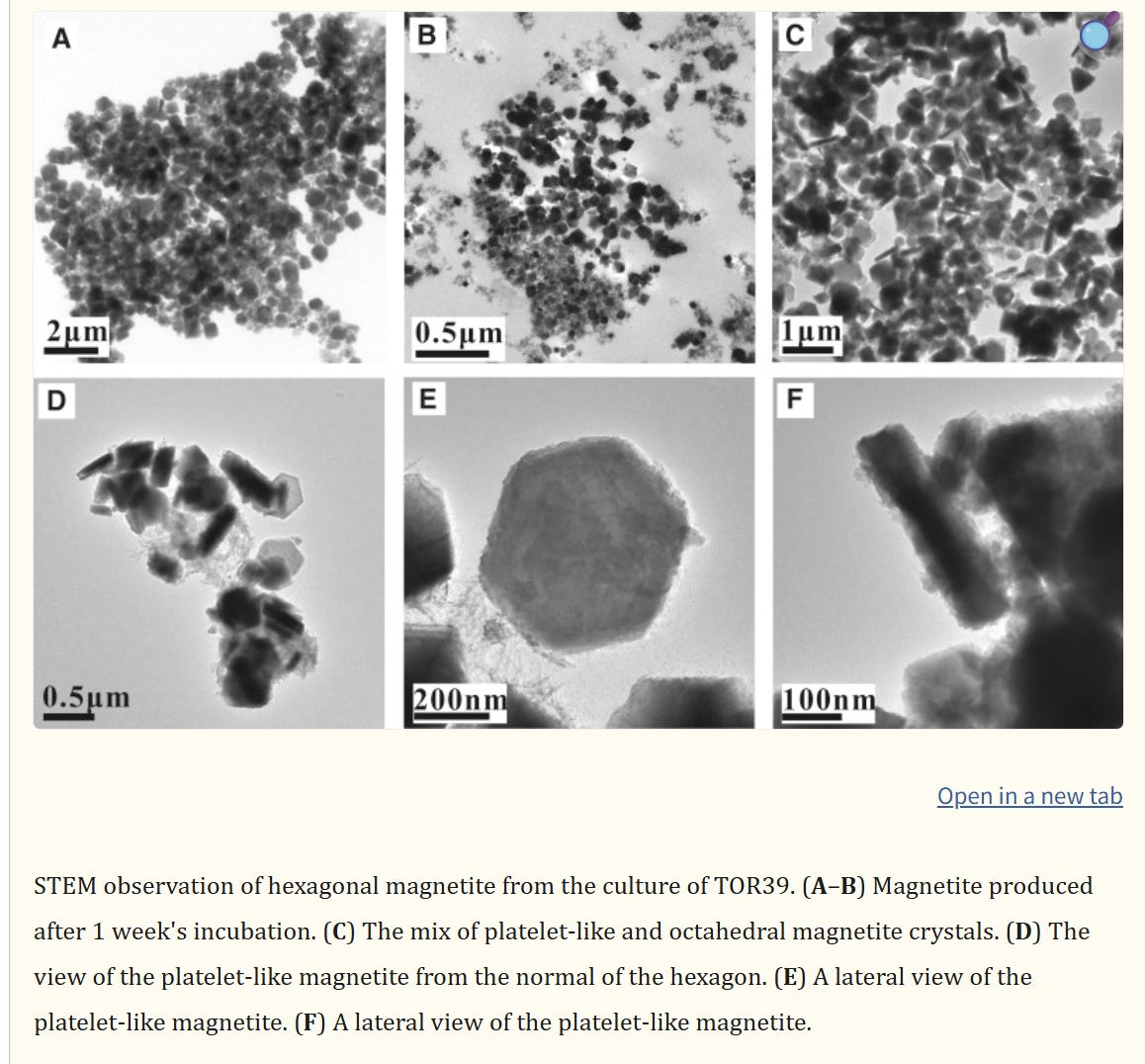
https://pmc.ncbi.nlm.nih.gov/articles/PMC3522128/
Hexagonal Platelet-like Magnetite as a Biosignature of Thermophilic Iron-Reducing Bacteria and Its Applications to the Exploration of the Modern Deep, Hot Biosphere and the Emergence of Iron-Reducing Bacteria in Early Precambrian Oceans
LIKELY PLASMID GENE INSERT in CDB :Thermoanaerobacter spp. strain TOR39 (GOI)GENE OF INTEREST IN CDB HEXAGONS
“Biogenic magnetite with such large crystal sizes and unique morphology has never been observed in abiotic or biotic processes and thus can be considered as a potential biosignature for thermophilic iron-reducing bacteria.”
Dissimilatory iron-reducing bacteria are able to enzymatically reduce ferric iron and couple to the oxidation of organic carbon. This mechanism induces the mineralization of fine magnetite crystals characterized by a wide distribution in size and irregular morphologies that are indistinguishable from authigenic magnetite.Thermoanaerobacter are thermophilic iron-reducing bacteria that predominantly inhabit terrestrial hot springs or deep crusts and have the capacity to transform amorphous ferric iron into magnetite with a size up to 120 nm. In this study, I first characterize the formation of hexagonal platelet-like magnetite of a few hundred nanometers in cultures of Thermoanaerobacter spp. strain TOR39. Biogenic magnetite with such large crystal sizes and unique morphology has never been observed in abiotic or biotic processes and thus can be considered as a potential biosignature for thermophilic iron-reducing bacteria. The unique crystallographic features and strong ferrimagnetic properties of these crystals allow easy and rapid screening for the previous presence of iron-reducing bacteria in deep terrestrial crustal samples that are unsuitable for biological detection methods and, also, the search for biogenic magnetite in banded iron formations that deposited only in the first 2 billion years of Earth with evidence of life. Key Words: Biosignatures—Magnetite—Iron-reducing bacteria—Deep subsurface biosphere—Banded iron formation. Astrobiology
above paper explaining hexagonal order on OSM outer surface membrane of bacteria
Biochips
I’ve demonstrated hexagonal RBCs phenomenon in paper above.
This is different than the CDB magnetite hexagons growing in blood.
Hexagonal lattice constants
IRON-REDUCING Thermoanaerobacter strain TOR39 with perfect hexagonal platelet-like magnetite crystals. This aligns with the CDB’s proclivity for iron and hexagonal and square symmetries.
The magnetotactic(magnetosomes) CDB is in every blood cell in the body.
There are 10 +/- CDB per single RBC. Multiply this by 30 trillion RBCs in the human body and CDB in tissues.
That’s 300 trillion + CDB microbes in the blood.
One human body between RBC and tissues has 300 trillion+/- CDB microbes in it!!
Coccoid Bacteria forming magnetite and hexagons.
CDB has a coccoid appearance.
Notice above terminology. Bacterium displayed hexagonal “prismatic” habit.
Bacteria organelles
Hexagonal mesostructures are commonly observed in the cell envelopes of both archaea and certain bacteria, playing critical roles in structural integrity and environmental adaptation. In archaea, the surface layer (S-layer) often forms a hexagonal lattice, which is a defining feature of many species. For example, the methanogenic archaeon Methanospirillum hungatei possesses a proteinaceous S-layer composed of a flexible hexagonal lattice of dome-shaped tiles, uniformly spaced from both the overlying cell sheath and the underlying cell membrane, with a resolution of 6.4 Å achieved through cryo–electron tomography. This S-layer is anchored to the cell membrane via a spacer extension and exhibits unique intra- and intertile interactions that contribute to its cylindrical and flexible architecture. Similarly, Sulfolobus acidocaldarius features a hexagonal S-layer made of two glycosylated proteins, SlaA and SlaB, where three SlaA dimers and one SlaB trimer form a unit cell with a central hexagonal pore and a canopy-like framework parallel to the cytoplasmic membrane. The hexagonal symmetry of S-layers is widespread among archaea, with such structures being considered among the earliest cell wall forms in prokaryotes.
In bacteria, hexagonal mesostructures are less common but still present in specific contexts. For instance, Caulobacter crescentus has been shown to possess a hexagonal tiled lattice of surface layer proteins, visualized using cryo–electron tomography. Additionally, some bacterial species form hexagonal arrays in their outer membrane or cell wall components, although these are typically less prominent than in archaea. The presence of hexagonal lattices in both domains underscores a convergent structural strategy for maintaining cell shape and providing protection against environmental stressors.
The stability and functionality of these hexagonal mesostructures are influenced by molecular interactions and environmental conditions. In archaea, the S-layer proteins often contain charged amino acids that facilitate stabilization through ionic interactions, particularly in thermophilic species where high temperatures are common. Furthermore, post-translational modifications such as glycosylation and lipid attachment contribute to the structural robustness of these layers. In some archaeal systems, the presence of apolar intercalants like squalane can induce non-lamellar phases such as inverted hexagonal structures, especially under high temperatures, suggesting a dynamic response to extreme conditions. These findings highlight the evolutionary significance of hexagonal mesostructures in prokaryotes, serving as adaptive features for survival in diverse and often extreme environments.
Synthetic biology is already in all humans.
It’s very easy to demonstrate.
Polymer based self assembled photonic crystals
SPR based Photonics
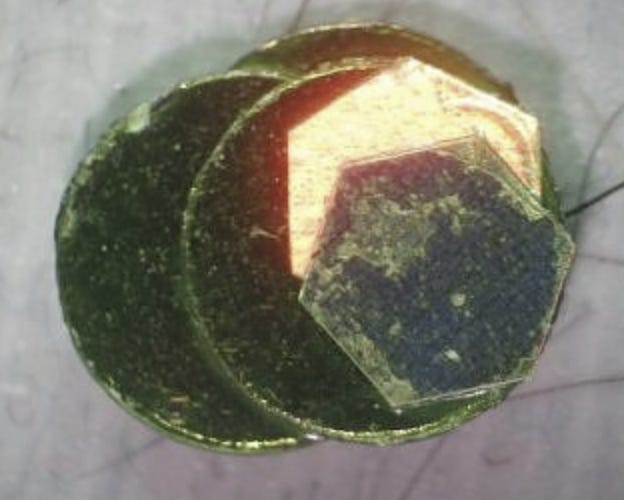
Skin grown precisely formed stacked biopolymer hexagons stacked on top of stacked biopolymer circles. Notice attached fibers.
All made from GM magnetotactic hyperthermophilic CDB microbes.
Archived Link above has skin grown hexagons found 10-20 years ago
Conductive Biofilms are a trait of CDB
Syn-bio class at MIT. Microbes can make almost anything including unknown de novo materials like the fibers and hexagons all by one GM MICROBE
Liquid phase computing from microbial based biocomputing circuits. This is the backbone of IOB, WBAN.
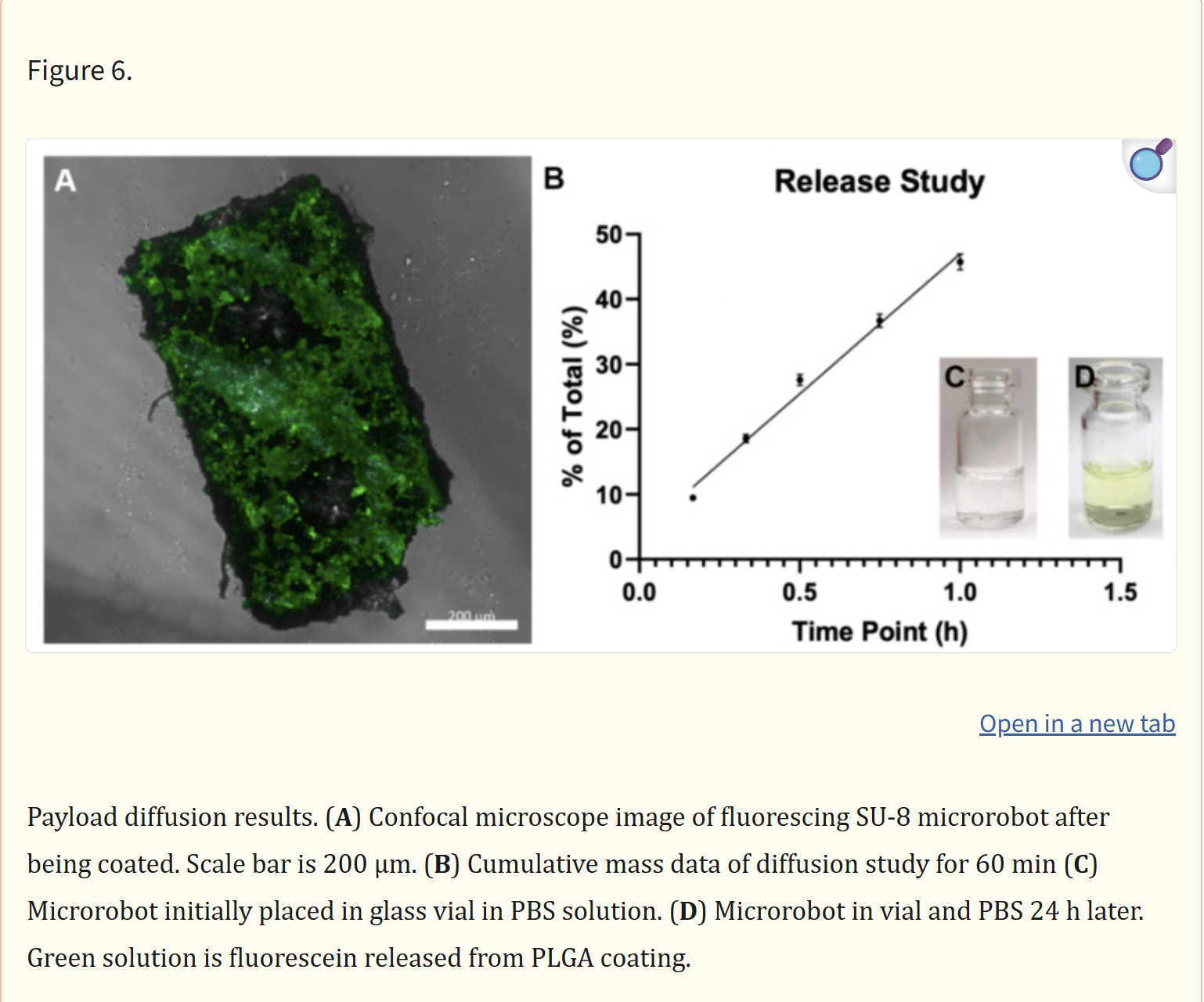
notice fibers attached to this “microrobot” in this paper
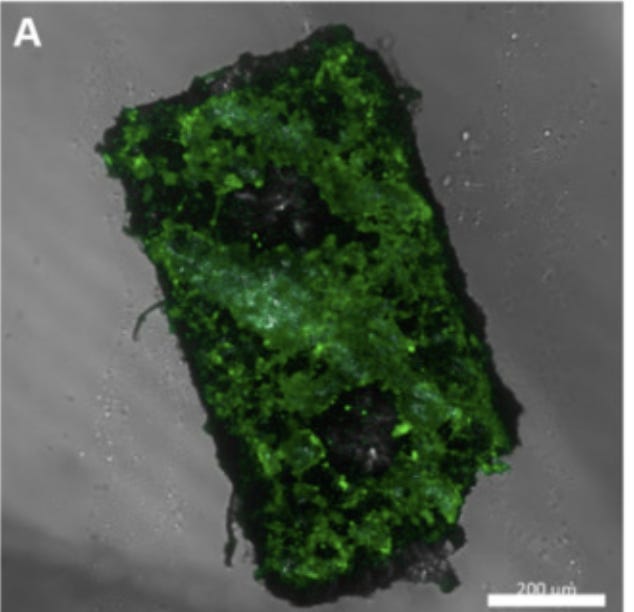
microrobot in top photo. Below photo was taken from person’s skin sample.
Notice similarities with microrobot photo from cited paper above.
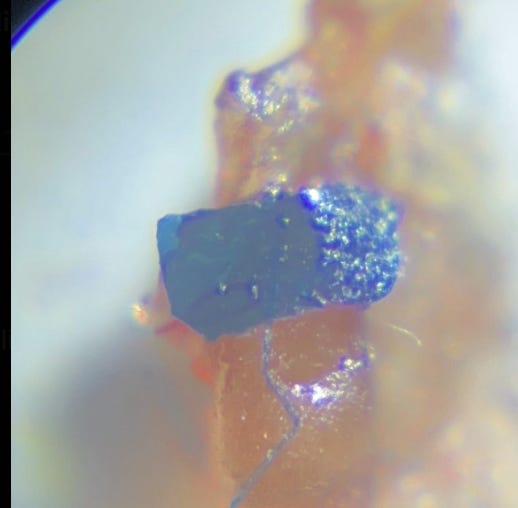
Skin sample in photo below.
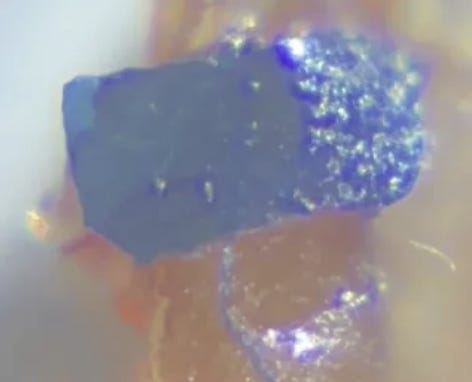
Stacked Hexagonal origami-inspired microrobots in pig intestinal tissue from paper above
Hexagonal and SQUARE symmetries formed from helical structures are biosignatures in archaea in above paper
Above paper describes supramolecular helical supramolecular filaments in archaea and bacteria
More fiber based bioelectronics
Post above clearly demonstrates the magnetotactic microbial lattice construction of the hexagons under high mag.
photonic interface designs
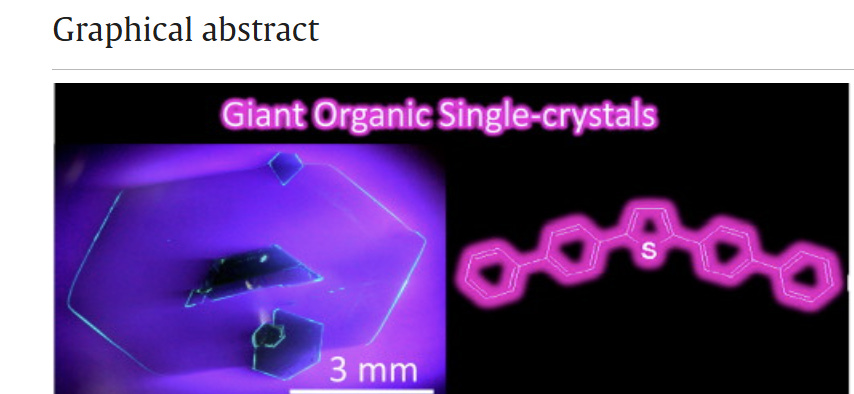
These are lab made crystals with the similar dimensions to the skin grown and environmental hexagons. They are used as Field Effect Transistors(FET)
Same lab process to make rhombohedral FET crystals. Similar dimensions as well
magnetized dust forming hexagons also
Bio-photonics is essential for the IOB
Highly advanced QUALCOMM hexagons for communications
The CDB microbe is sprayed. I have shown this clearly in prior chemtrail web fiber posts.
The CDB hyper-thermophilic indestructible nature ensures it could easily survive being put into jet fuel and survive the combustion temps. This being said. I have put the chemtrail webs/ fibers under the microscope and found the CDB microbes and assemblies in the sprayed or combusted chemtrail webs.
I can make a definitive scientific statement regarding the CDB microbe is in the Chemtrail web fibers.
microbial sense-and-respond devices
the microbes TELLTHEM
Same CDB hexagons and fibers found in Iranian dust samples.
Photonic Metasurfaces
(FEDs)Fiber-based electronic devices
optical microelectronics
nonlinear optical materials for RF photonics and sensors
Growing de novo living materials with bacteria. Engineered living materials(ELM)
The silk fibroin codon is a likely gene of interest GOI inserted into in the CDB microbe via plasmid cassettes from multiple types of archaea and bacteria and also including the SF codon insert.
It’s likely a silk fibroin-polymeric hybrid system.
This is why the fibers are unknown in all polymer fiber databanks.
It’s also why they are nearly or indestructible.
Think of Silk Fibroin materials used to make bullet proof vests.
The hexagons are a product of biomineralization and polymerization from CDB bacterial-archaea magnetotactic particles released as EPS extracellular polymeric substances during BACTERIAL STREAMING.
Imperceptible Camouflage skin with transparent sensors
Bactofilins and Halofilins are the architectural-structural proteins that form the fibers
Samsung white paper for bio-digital convergence technologies
BIOPHOTONICS and biosensors
Crystalline DNA assemblies
DNA programmable hexagonal structures
Amyloid-like fibrils produced by transgenic bacteria by stacking parallel beta-sheets
BIOPLASTICS
Cyborg Bacteria
The CDB greatly increases hertz frequencies in the skin as discussed by Clifford Carnicom in above post. The body becomes more conductive.
Imperceptible augmentation of living systems with bioelectronic fibers
Synthetic biology is the backbone or tentpole for the bio digital convergence of humans
They already are and have been☝️
hexagonal phased array
MEMS
This stuff isn’t on nightly news.
But it’s easy to find if you just look.
Hi Neo,
Massive post and great scoping shots. Seems I cant see any replies to comments on your stack now. I can only see the 6 direct comments. Censorship at work huh?
Best, M.
Thank you, for this information.