SPONTANIOUS FILAMENTOUS POLYMERIZATION OF HUMAN BLOOD VIA THERMAL STRESS
Proof there is filamentous polymeric GM hyper-thermophilic bacteria-archaeal microbes in human blood

THE BACTERIAL PROBLEM CHILD: CDB aka CROSS DOMAIN BACTERIA
Here we see a timelapse of the Hyper-thermophilic CDB in individual RBCs from a Frenchman fresh off the plane from France. The microbe can be found in all eukaryotes by the few who know what to look for and how to find it.
While looking at the microbes in the RBCs, I decided to see what thermophilic filamentous expressions would occur under high heat thermal stress via a gas stove flame while holding the slide with pliers over the flame enough to kill all RBC, WBCs, platelets and microbial activity, while not shattering the glass slide as I have done in past experiments.
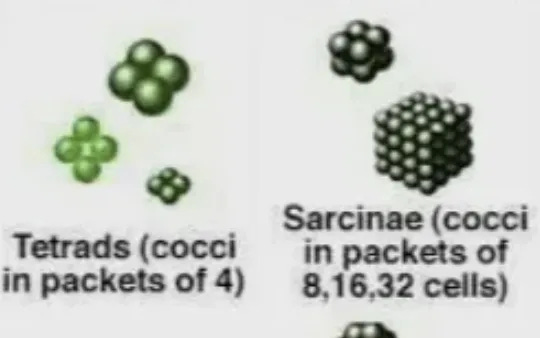
Cocci bacteria in Tetrads and Sarcinae patterns within the RBC
Single RBCs with CDB microbes inside
Timelapse of CDB microbes in a single RBC
Filamentation in bacteria and archaea under high heat conditions is a well-documented survival strategy, primarily observed in bacteria but with limited evidence in archaea.
Bacteria: High heat stress (e.g., 55°C) induces filamentation in various bacterial species, including Escherichia coli and Pseudomonas putida. This response is often linked to the SOS response, a DNA damage repair mechanism activated by heat-induced cellular stress. In E. coli, heat shock disrupts cell division while allowing continued cell elongation, resulting in long filamentous cells. This morphological change enhances survival by increasing resistance to phagocytosis and other environmental threats. Studies show that filamentation is a reversible, adaptive trait that allows bacteria to persist under thermal stress until conditions improve.
Archaea: While filamentation has not been widely reported in archaea, some thermophilic archaea exhibit morphological plasticity under extreme heat. However, the mechanisms and triggers for filamentation in archaea remain poorly understood and are not as well-characterized as in bacteria. Most research on heat-induced filamentation focuses on bacterial systems, indicating a gap in knowledge regarding archaeal responses
.Exopolysaccharides (EPS) from thermophilic extremophiles exhibit exceptional thermostability, with some remaining functional above 100°C and even up to 130°C (e.g., Thermus spp.). These EPSs possess high molecular weights (over 1,000 kDa), extreme hydration capacity (up to 1,000× their weight in water), chemical resistance (pH 0.5–13), and resistance to organic solvents and radiation.
The configurational entropy of distorted lipid structures in extremophile cell membranes contributes to their stability at high temperatures, offering insights for designing bioinspired heat-tolerant materials. These natural polymers and their structural mechanisms are central to biotechnological innovation, enabling processes that require harsh conditions without degradation
In summary, instant filamentation in response to high heat is primarily a bacterial adaptive response, driven by stress-induced cell cycle arrest and DNA damage repair pathways
Above we see the instantaneous filamentous polymerization of the blood sample. The heat caused the CDB to instantly form the braided fibers that are a common trait seen in CDB research. The same filamentation is a known biosignature of hyper-thermophilic bacteria and archaea. This is in all humans blood. Animals, fish, plants and insects.

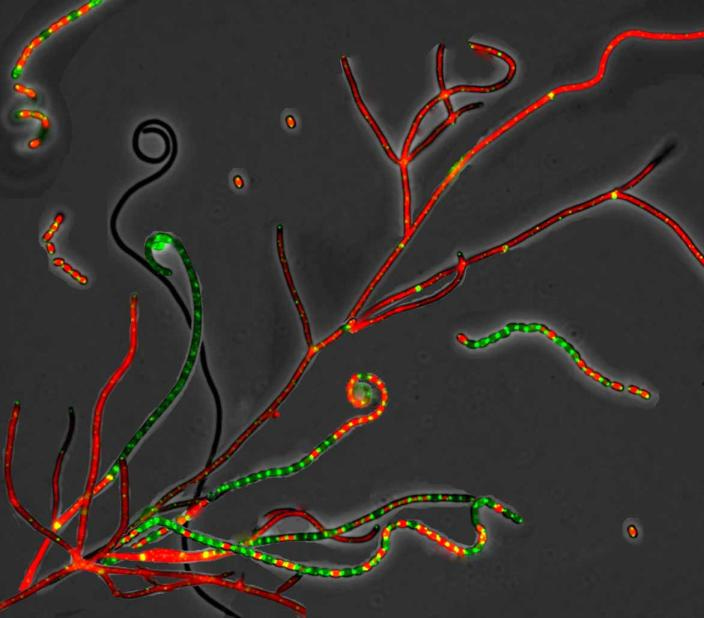
Filamentous bacteria ID in waste water Tx plants for microbiologist
Hyperthermophilic archaea, such as Pyrobaculum calidifontis, exhibit unique filamentation mechanisms adapted to extreme heat. The crenactin protein, a crenarchaeal actin homolog, forms single-stranded filaments under high-temperature conditions (optimal growth at 90°C), a structure previously unexpected for stability at such extremes. Despite only ~20% sequence identity with eukaryotic actin, cryo-EM studies reveal that the single strand of crenactin is structurally similar to each strand in eukaryotic F-actin. A large insertion in the crenactin sequence prevents double-stranded filament formation, and structural variability in subunit interfaces explains the observed filament polymorphism.
Bacterial hyperthermophiles also display filamentation, though less is known about their cytoskeletal dynamics. Some, like Thermocrinis ruber, form pink filaments, but their filamentation mechanisms remain poorly understood. Unlike eukaryotes or mesophiles, hyperthermophiles do not rely on canonical actin-like systems. Instead, structural adaptations—such as enhanced protein-protein interactions, optimized hydrophobic packing, and increased salt bridges—contribute to the stability of cytoskeletal elements under extreme heat.
Key adaptations enabling instant filamentation and stability include:
Thermostable protein folding via optimized weak interactions (hydrogen bonds, ion pairs, hydrophobic packing).
Reduced entropy of unfolding, minimizing structural disorder at high temperatures.
Genomic and metabolic shifts, including upregulation of glycolytic enzymes and membrane lipid saturation, which support rapid cellular responses to heat stress.
These features allow hyperthermophiles to maintain structural integrity and function in environments where most proteins would denature, enabling instant filamentation and survival in high-heat environments.
Notice the red color from the iron and burnt blood . This is clearly a biosignature of filamentous GM bacteria/archaea aka CDB making the stranded filaments. Notice the black lines in the braided fibers. This is very indicative of a Hyper-thermophilic spp. of bacteria or archaea traits.
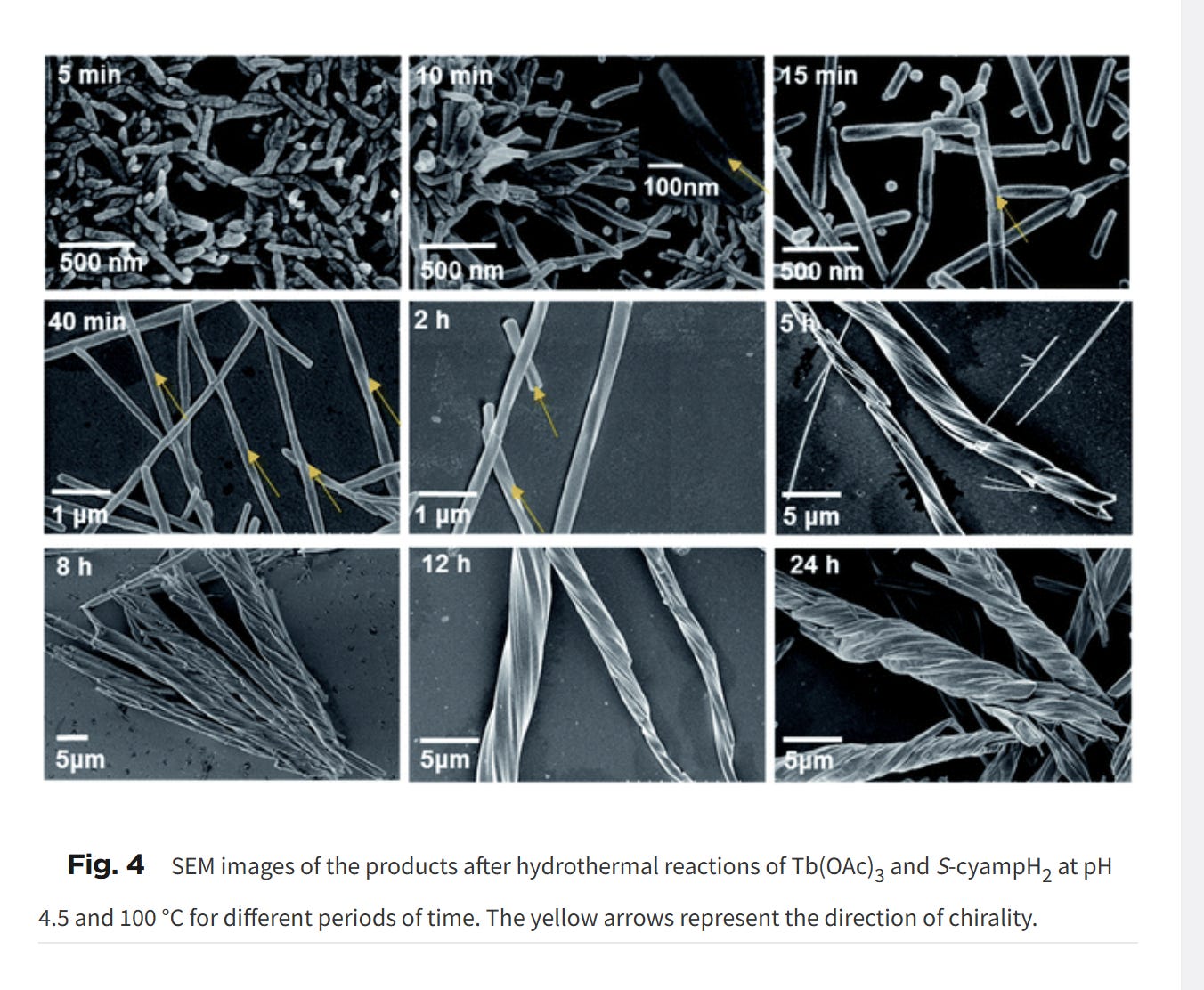
Hyper-Thermophilic Bacteria in above micrographs
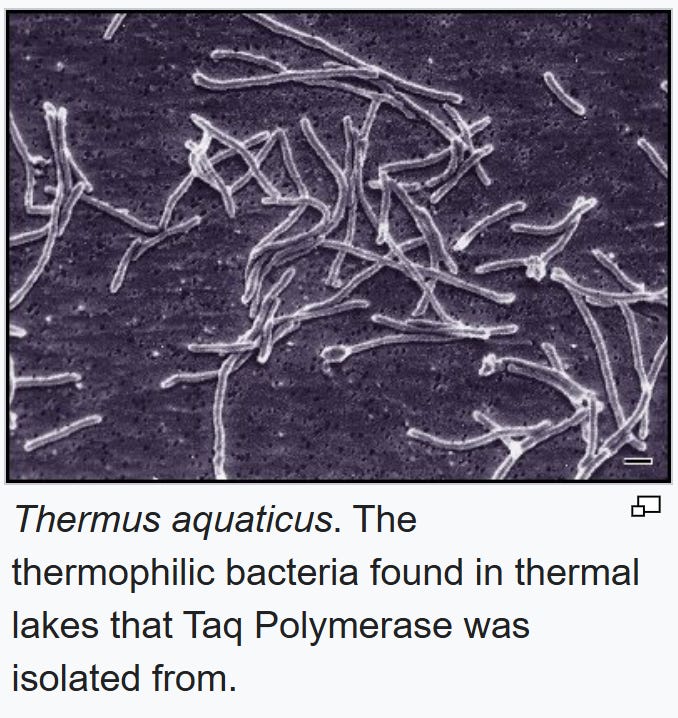
The filamentous microbes instantly went into SOS thermal stress filamentous mode to protect themselves when high heat was applied. It looks just like filamentous bacteria micrographs found in scientific literature. You wouldn’t know that was blood 3 minutes ago before the heat Tx.
Technically, there should be no surviving microorganisms alive and moving after such high heat on the slide. But yet, we see the AM active matter still on the slide.
The black intertwining fibers happened instantly after heat Tx.
Biofilm at the 3 way intersection of fibers seen with AM active matter clearly alive after the extreme heat Tx. Notice the black colored bacterial streaming of EPS extracellular polymeric substances that form the parallel encasing filaments that make up the fibers.
The heat should have killed everything in the blood on the slide, but yet we see a thriving community of hyper-thermophilic CDB microbes involved in the fiber assemblies.
Above paper is using archaea as gene delivery systems for genetically modifying host cells in vaccines. Also being used as Metabolic machines, de novo protein synthesis and peptide delivery vectors.
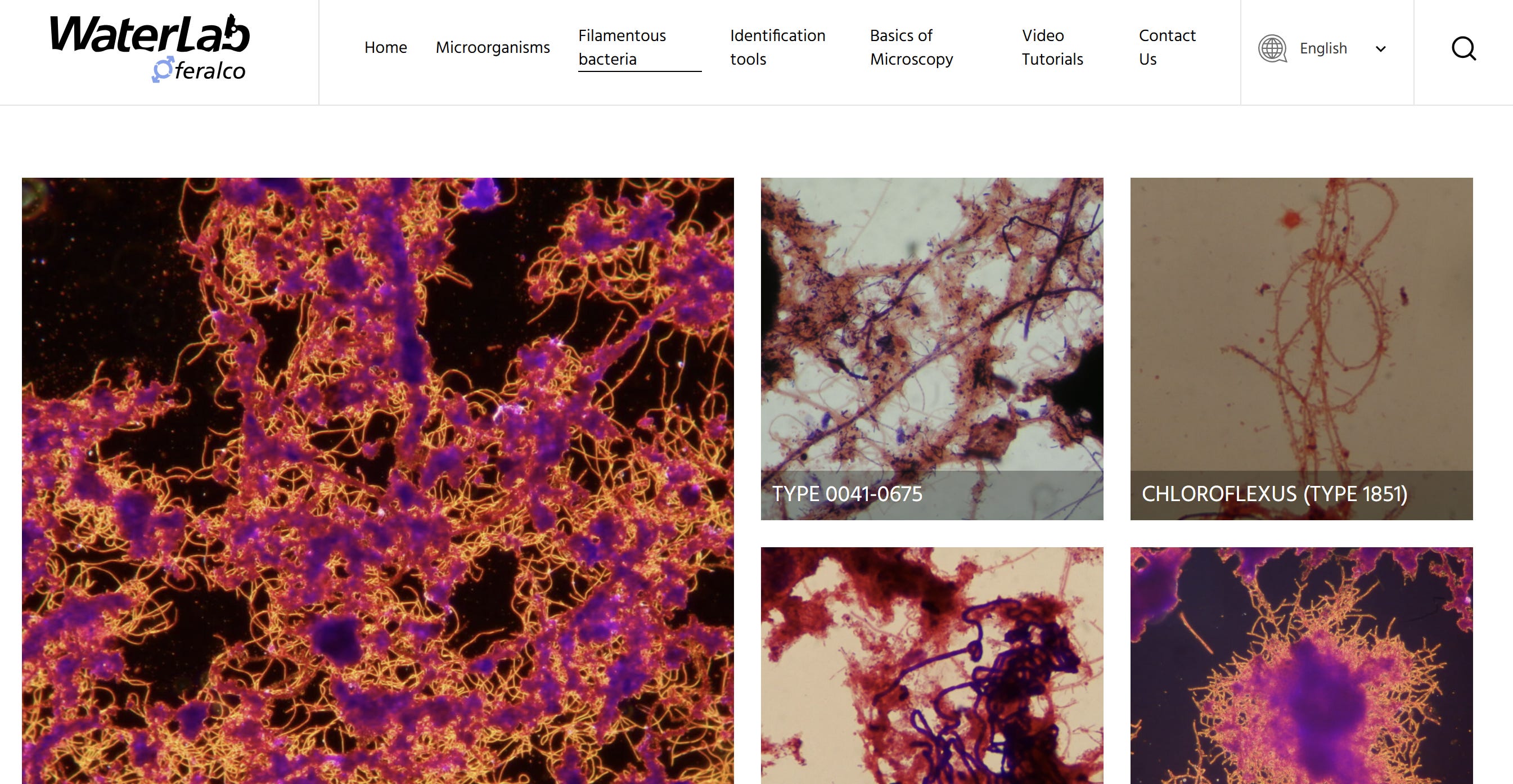
Above is Filamentous bacteria in waste water science
Everything on the slide is burnt and gone except the fibers that formed after heating the slide under high heat flame by the CDB.
This caused the spontaneous filamentous polymerization of human blood on the slide. I thought it would and it did.
Cheers
Neo- have you tried looking at these with a non digital; (old school) analog optical microscope? You would not believe what I’ve seen with a non electrified microscope. It’s astonishing as to what the Ai is able to filter out and BLUR in real time. Try it and let us know if you see a different, even more detailed image. Incredible work as always!
I would definitely say so... God Always be with you good man.. Your SHIP IS SOLID.... FOR SURE...